 Selecting the right retaining wall system is one of the most important decisions in any landscaping or construction project. While sleepers and finishes often draw the most attention, the real performance of a retaining wall depends on the steel structure behind it. In Melbourne, two popular options dominate modern retaining wall construction — corten steel retaining wall systems and galvanised steel post systems.
Each approach offers distinct advantages, but they serve different purposes depending on structural demands, site conditions, and long-term expectations. This article takes a practical look at how corten steel and galvanised H-section posts perform as retaining wall steel systems, helping you choose the most suitable option for your project.
Understanding the Two Retaining Wall Systems
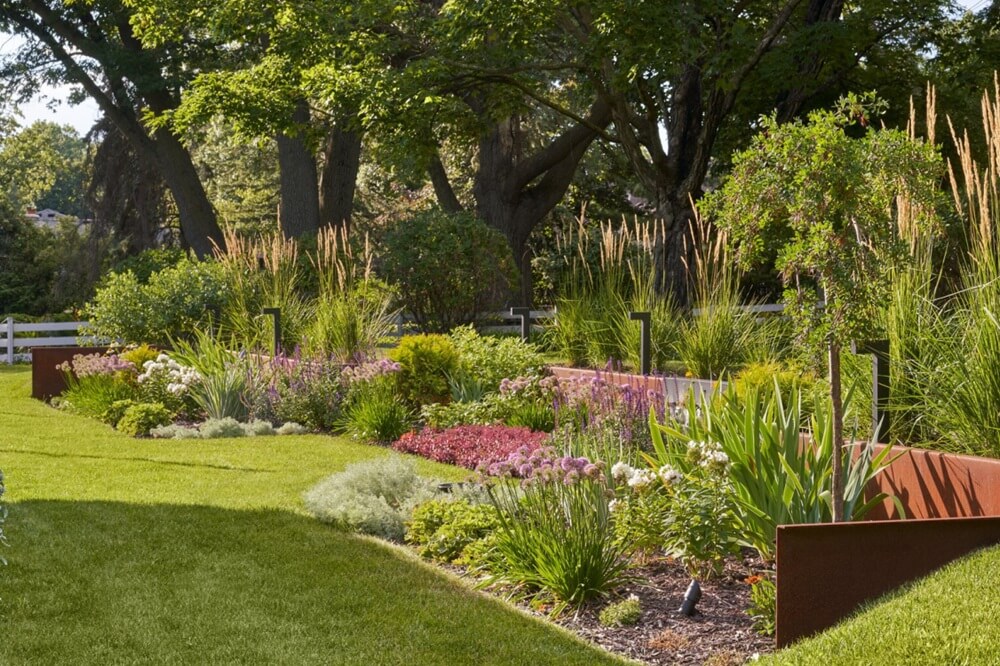
A corten steel retaining wall typically uses steel panels or folded sections as the visible face of the wall. These panels are either self-supporting or fixed to a structural framework. Over time, corten develops a protective rust patina that gives it a distinctive, architectural finish.
In contrast, galvanised steel retaining wall posts form the hidden structural framework of a wall. These posts — usually H-section beams — are embedded into concrete footings, with sleepers installed between them. The wall’s appearance is defined by the sleepers, while the galvanised steel provides long-term strength and stability.
Both systems rely on steel, but they differ significantly in how loads are transferred and how the wall behaves over time.
Structural Performance and Load Handling
From a structural perspective, galvanised post systems are generally better suited to managing high soil loads. Steel retaining wall posts galvanised H section beams are designed specifically to resist lateral earth pressure. Their depth, weight, and geometry allow them to perform reliably in walls of varying heights, including engineered applications.
Corten steel walls can also be structurally sound, but their performance depends heavily on panel thickness, fixing methods, and footing design. In many cases, corten walls still rely on internal supports or concealed framing to meet structural requirements.
For projects involving:
- Taller retaining walls
- Reactive clay soils
- Sloping sites
- Driveways or boundary loads
Galvanised steel post systems often provide a more predictable and easily engineered solution.
Durability and Corrosion Resistance
Both systems are designed for outdoor use, but they protect against corrosion in different ways.
Corten steel forms a stable oxide layer that slows further corrosion. This works well in environments where the steel can dry between wet periods. However, in constantly damp conditions or areas with poor drainage, corten may continue to corrode rather than stabilise.
Galvanised steel posts, on the other hand, are coated with zinc through hot-dip galvanising. This coating provides sacrificial protection, meaning the zinc corrodes before the steel does. This makes galvanised posts especially suitable for buried applications where moisture is unavoidable.
For long-term underground exposure, galvanised steel retaining wall posts generally offer more consistent corrosion protection than corten steel panels.
Aesthetic vs Structural Priorities
Corten steel is often chosen for its visual impact. Its weathered finish suits contemporary landscapes, architectural gardens, and commercial developments where the retaining wall is a feature element.
Galvanised steel posts are rarely visible once construction is complete. Instead, they support timber, concrete, or composite sleepers that define the wall’s appearance. This gives greater flexibility if aesthetics change over time — sleepers can be replaced without altering the structural framework.
If the goal is a visually striking wall with minimal additional materials, corten steel may be appealing. If flexibility, strength, and longevity are priorities, galvanised post systems tend to offer greater practical value.
Installation and Practical Considerations
From an installation standpoint, galvanised post systems are familiar to most landscapers and builders. The process is straightforward:
- Posts are set into concrete footings
- Sleepers are slotted into place
- Drainage is installed behind the wall
This system works well for staged construction and allows adjustments during installation.
Corten steel systems often require more precise fabrication and installation. Panels must be correctly aligned, fixed, and supported to prevent movement. Any errors can be difficult to correct once weathering begins.
In residential applications, especially where access is limited, galvanised steel post systems are often more forgiving and cost-effective.
Choosing the Right Retaining Wall Steel System
The right choice depends on how the wall will function, not just how it will look. Consider galvanised steel post systems when:
- Structural performance is critical
- The wall height is significant
- Soil conditions are unpredictable
- Long-term durability is a priority
A corten steel retaining wall may be better suited when:
- The wall is a design feature
- Loads are moderate
- Drainage is well controlled
- A low-maintenance visual finish is desired
In many Melbourne projects, a hybrid approach is also used — combining galvanised structural posts with corten steel facing elements.
Final Thoughts
Both corten steel and galvanised steel post systems have their place in modern retaining wall construction. The key is understanding how each performs structurally, how it handles moisture and soil pressure, and how it fits into your long-term plans.
For strength, adaptability, and proven performance, steel retaining wall posts galvanised H section systems remain a trusted choice across Melbourne. Corten steel offers a bold alternative where aesthetics take centre stage.
By selecting the right retaining wall steel system from the outset, you ensure your wall performs safely, lasts longer, and delivers the outcome your site truly requires.
Image Source: Southview Design