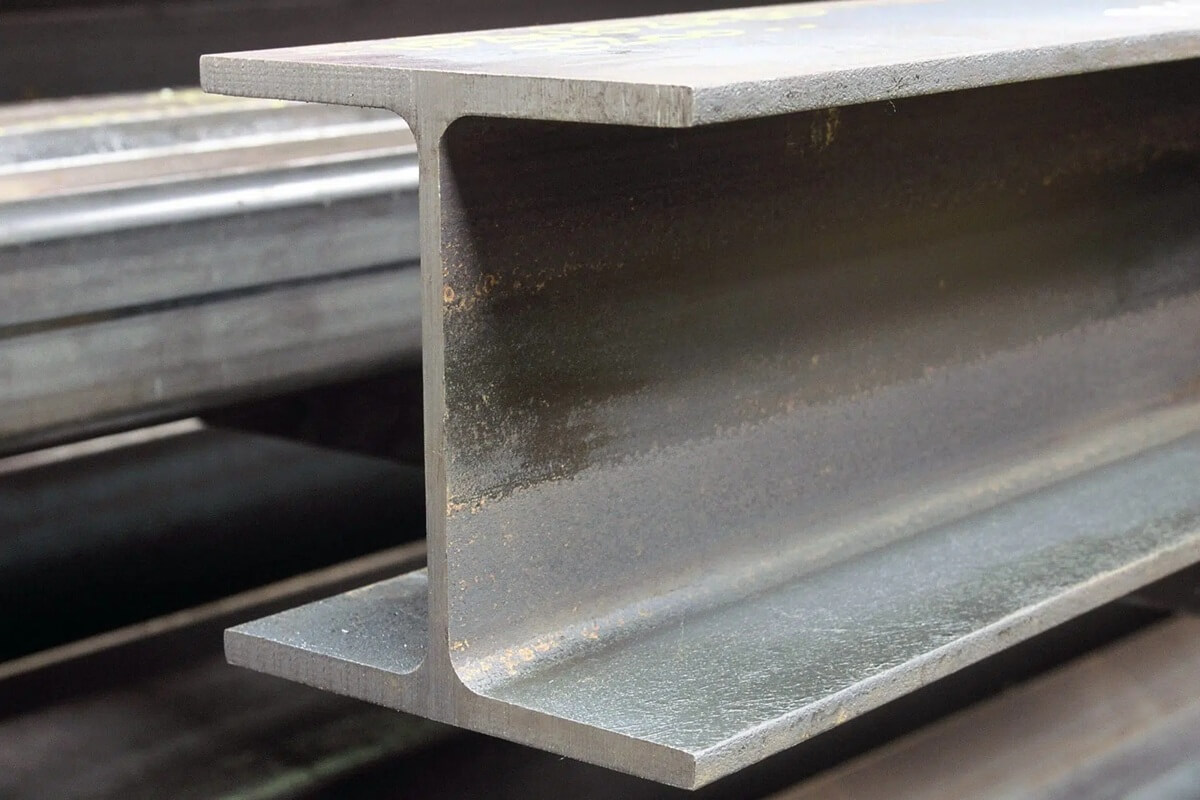
 Sleeper retaining walls are one of the most common retaining solutions used across Melbourne, particularly in residential landscaping and sloping blocks. While sleepers themselves often get most of the attention, the real structural performance of the wall depends on the steel posts holding everything together. Choosing the correct H-beam is critical — and in most cases, that decision comes down to 150UC or 200UC sections.
Melbourne’s soil conditions, rainfall patterns, and council requirements make steel selection especially important. Using undersized posts can lead to movement, cracking, or failure over time. In this article, we’ll focus specifically on how 150UC and 200UC H-beams are used in sleeper retaining wall steel posts galvanised systems, and how to select the right option for long-term stability.
Why UC H-Beams Are Ideal for Sleeper Retaining Walls
Universal Columns (UCs) are widely used in sleeper retaining wall construction because of their near-square profile and high load-bearing capacity. When installed vertically and set into concrete footings, UC posts provide excellent resistance to lateral soil pressure — a key requirement for sleeper walls.
In sleeper systems, the H-section shape allows timber or concrete sleepers to slot neatly between the flanges, creating a clean, continuous wall. This design also allows for easy replacement of sleepers if required in the future, without disturbing the posts.
In Melbourne, where clay soils expand and contract with moisture changes, the rigidity of UC beams helps prevent wall movement. This makes retaining wall steel Melbourne projects far more reliable when UC sections are used instead of lighter alternatives.
Understanding the Difference Between 150UC and 200UC
Although both sections are commonly used, 150UC and 200UC are suited to different site conditions and wall heights.
150UC is typically used for:
- Sleeper retaining walls up to approximately 1.2–1.5 metres (subject to engineering)
- Residential garden and boundary walls
- Sites with moderate soil pressure and good drainage
This section offers a strong balance between structural capacity and ease of installation. It is lighter, easier to handle on-site, and often more cost-effective for standard residential projects.
200UC, on the other hand, is designed for higher loads and more demanding conditions. It is commonly specified for:
- Taller sleeper retaining walls
- Clay-heavy or reactive soil conditions
- Sloping blocks with increased lateral pressure
The additional depth and weight of 200UC provide greater resistance to bending and deflection, making it the preferred option where long-term structural performance is critical.
Why Galvanised Steel Posts Matter
All sleeper retaining wall posts should be hot-dip galvanised, especially in Melbourne environments. Steel posts are partially buried in soil, where moisture is constantly present. Without galvanisation, corrosion can begin early and compromise the wall’s integrity.
Sleeper retaining wall steel posts galvanised offer:
- Long-term corrosion resistance
- Reduced maintenance over the life of the wall
- Compliance with Australian construction standards
Galvanised UC posts are particularly important for walls near boundaries, driveways, or structures, where failure would be costly or dangerous. Whether using 150UC or 200UC, galvanisation ensures the posts remain structurally sound for decades.
Melbourne-Specific Soil and Drainage Considerations
One of the most overlooked aspects of sleeper retaining wall construction is soil behaviour. Many Melbourne suburbs sit on reactive clay, which expands when wet and shrinks during dry periods. This movement increases lateral pressure against retaining walls.
To manage this, proper drainage is essential. A well-designed wall will include:
- Free-draining aggregate behind the sleepers
- Geotextile fabric to prevent soil migration
- Agi pipes to redirect water away from the wall
When drainage is inadequate, even heavy-duty retaining wall steel sections can be put under unnecessary stress. Using 200UC in poor drainage conditions can help compensate, but drainage should never be ignored.
Installation and Engineering Best Practice
While smaller sleeper walls may not require formal engineering, many councils require structural design for walls over one metre. In these cases, engineers will specify post size, spacing, footing depth, and concrete strength.
General best-practice guidelines include:
- Embedding UC posts at least one-third of wall height into concrete
- Ensuring posts are plumb and aligned before concrete sets
- Matching sleeper thickness to H-beam flange width
- Using stronger sections, such as 200UC, for stepped or tiered walls
Following these principles ensures your wall meets steel post retaining wall specifications and performs as intended over time.
Final Thoughts
Choosing between 150UC and 200UC for sleeper retaining walls isn’t just about cost — it’s about matching the steel section to Melbourne’s unique site conditions. For standard residential applications, 150UC provides excellent strength and practicality. For taller walls, reactive soils, or higher loads, 200UC offers added security and durability.
When combined with proper drainage and galvanised steel posts, UC H-beams form the backbone of long-lasting sleeper retaining walls. Investing in the right retaining wall steel from the start ensures structural reliability, compliance, and peace of mind for years to come.
Image Source: Harris (Steels)