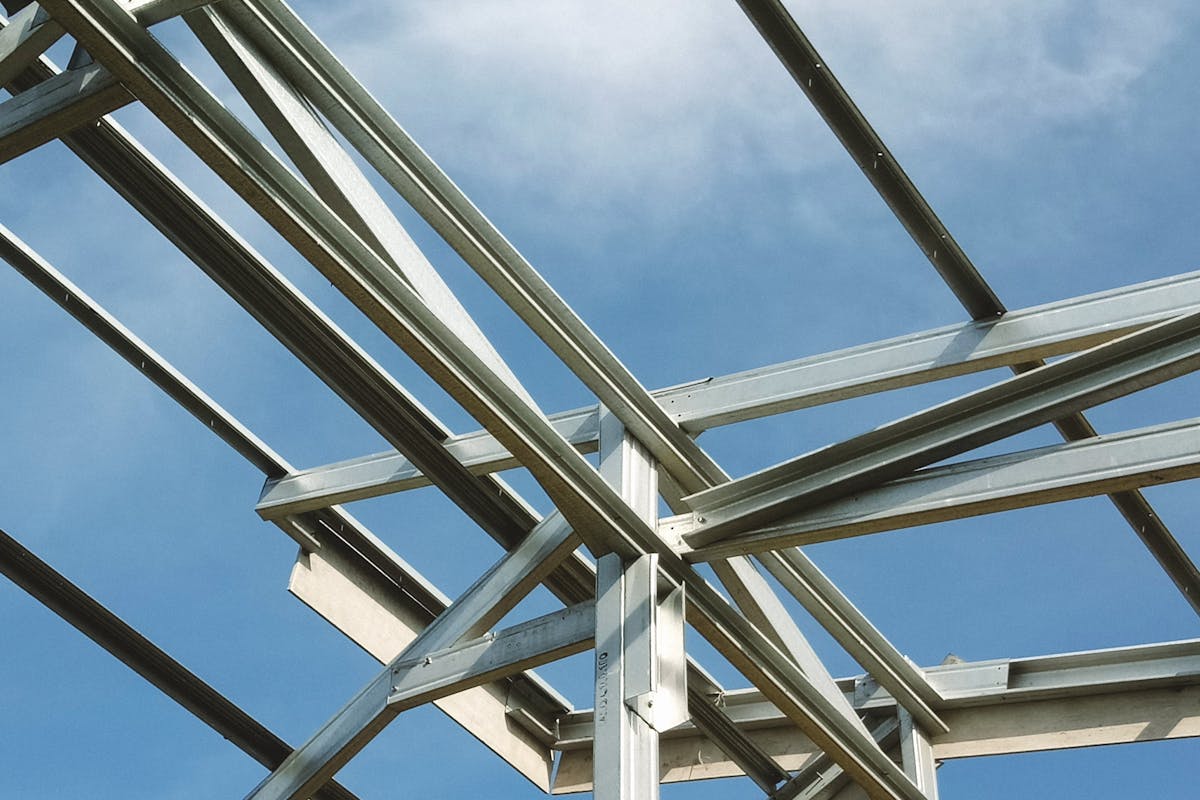
 Modern outdoor structures rely on more than just good design — they depend on intelligent structural combinations that balance strength, efficiency, and durability. One of the most effective and widely used pairings in Australian steel construction is the combination of Parallel Flange Channels (PFCs) with Universal Columns (UCs).
When used together, PFC channels and UC beams create a stable structural system that works exceptionally well for outdoor frames, roof supports, walkways, pergolas, carports, and light commercial structures. This article explores how sections such as 100PFC, 150PFC, and 200PFC22.9 work in combination with UC beams like 150UC23.4, and why this pairing is a smart solution for Australian conditions.
The Structural Role of PFCs and UCs
Each steel section has a specific role within a structure. UC beams are primarily designed to carry vertical loads. Their near-square shape makes them ideal for use as columns, transferring weight directly down into footings or slabs.
PFC channels, on the other hand, are highly effective in horizontal or edge-support applications. Their parallel flanges provide excellent resistance to bending, making them suitable for beams, rails, bracing members, and load-distribution elements.
When combined, these sections form a complementary system:
- UC beams handle vertical compression
- PFC channels distribute loads horizontally
- The structure gains rigidity without excessive material use
This efficiency is one of the key reasons engineers frequently specify UC and PFC combinations for outdoor frames.
Choosing the Right PFC Size for Structural Pairing
Not all PFC sections are suited to every application. Selecting the right size ensures the system performs as intended.
100PFC
This compact section is best suited to lighter framing elements such as perimeter rails, minor cross members, or short-span supports. When paired with 150UC23.4, it works well in small pergolas or shade structures where loads are limited.
150PFC
A popular mid-range option, 150PFC offers increased stiffness and load capacity. It is commonly used for roof beams, step frames, and support rails in residential outdoor structures. This section balances strength with ease of installation.
200PFC22.9
For larger spans or heavier roof loads, 200PFC22.9 provides excellent structural performance. It is often specified in commercial-style outdoor frames, wide-span carports, or where fewer columns are preferred.
Each step up in PFC size increases load capacity, allowing designers to optimise column spacing and reduce visual clutter.
How UC Beams Complement PFC Channels
While PFCs manage horizontal forces, UC beams provide the vertical backbone of the structure. A commonly paired section is 150UC23.4, which offers reliable performance for outdoor columns without excessive weight.
In these systems:
- UC columns are fixed into concrete footings or slabs
- PFC beams are bolted or welded to the UC faces
- Loads are transferred efficiently from roof to ground
This approach simplifies fabrication and allows for clean, repeatable connections — an important consideration in both residential and commercial builds.
Benefits of UC and PFC Structural Pairing
Using UC beams with PFC channels offers several practical advantages:
- Material efficiency – Each section is used for what it does best
- Structural clarity – Load paths are simple and predictable
- Design flexibility – Easy to adapt layouts without overengineering
- Construction speed – Familiar sections reduce installation time
- Scalability – Systems can be upgraded by increasing section size
These benefits make UC–PFC systems particularly attractive for builders looking to deliver strong outcomes without unnecessary complexity.
Durability and Galvanisation for Outdoor Structures
Outdoor steel structures are constantly exposed to moisture, temperature changes, and airborne contaminants. For this reason, both UC beams and PFC channels should be hot-dip galvanised when used externally.
Galvanised steel provides:
- Long-term corrosion resistance
- Reduced maintenance over the structure’s life
- Reliable performance in Australian environments
This is especially important where steel connections are exposed or where water may collect around fixings and joints.
Installation and Engineering Considerations
Even with standardised steel sections, professional design and installation are essential. Key considerations include:
- Correct sizing based on roof load and span
- Adequate footing depth and concrete strength
- Secure bolted or welded connections
- Allowance for wind uplift and lateral forces
- Compliance with Australian Standards
In many cases, structural engineers specify slightly heavier sections — such as 200PFC22.9 instead of 150PFC — to improve stiffness and long-term performance.
Final Thoughts
Pairing PFC channels with UC beams is one of the most effective ways to create strong, efficient outdoor frames and support systems. By combining sections like 100PFC, 150PFC, or 200PFC22.9 with UC beams such as 150UC23.4, builders achieve a balanced structure that handles loads efficiently while remaining adaptable and durable.
This smart structural pairing is widely used across Australia for pergolas, carports, covered walkways, and framed outdoor spaces — delivering strength where it’s needed, without unnecessary bulk.
When designed correctly and installed with galvanised steel, UC–PFC systems provide a dependable foundation for outdoor structures built to last.