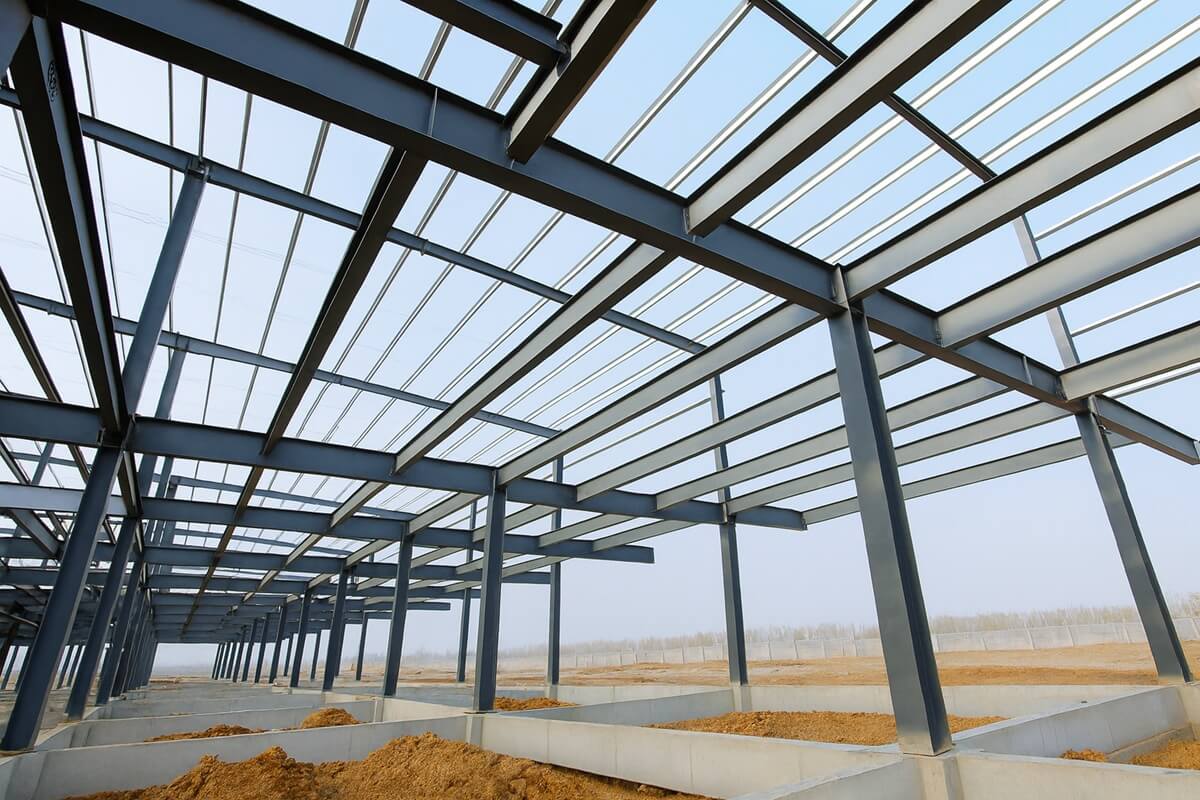
 Parallel Flange Channels (PFCs) are among the most versatile and widely used structural steel components in Australian construction. Whether you’re building a retaining wall, a pergola frame, or reinforcing a deck or shed, PFC beams provide reliable support and an excellent strength-to-weight ratio.
With popular options like 100PFC, 150PFC, and 200PFC22.9, choosing the right size comes down to your project’s span, expected load, and design requirements. This guide breaks down the practical applications of these PFC beams and explains when each size is the best fit.
What Is a Parallel Flange Channel?
A PFC is a steel section with a “C” or “U” shaped profile and flanges that are parallel to one another. This design offers high strength and load-bearing capacity while remaining relatively easy to fabricate and install.
PFCs are typically made from hot-rolled structural steel and are used in:
- Retaining wall bracing and capping
- Structural frames for patios, sheds, and garages
- Floor joist support in decks or extensions
- Perimeter beams in garden beds or raised planters
Their flat flanges make them compatible with other steel components, such as SHS posts, bolts, and timber or composite attachments.
Choosing the Right Size: 100PFC, 150PFC, 200PFC22.9
Each PFC section is defined by its depth and weight per metre, e.g., 200PFC22.9 is 200 mm deep and weighs 22.9 kg per metre.
Here’s a breakdown of common PFC profiles and their uses:
- 100PFC – Best for light-duty work like garden bed frames, short retaining wall caps, or timber decking support. Offers good strength for small spans and can be manually handled on-site.
- 150PFC – A mid-range option, ideal for residential framing, outdoor structures, and retaining walls between 1 and 1.5 metres high. Popular for pergolas and carports due to its balance of strength and manageability.
- 200PFC22.9 – Designed for large-scale or high-load applications. Used in engineered retaining walls, commercial landscaping, or where long spans without intermediate posts are needed.
Selecting the right beam ensures your structure remains safe, stable, and compliant with relevant Australian Standards.
Why Galvanised Steel PFCs Are Worth It
In outdoor and exposed environments, galvanisation is essential. Hot-dip galvanised PFCs are coated in zinc to prevent rust and corrosion — extending the lifespan of your project by decades.
Some key benefits of galvanised PFC beams include:
- Weather resistance – Ideal for retaining walls or decks exposed to rain and soil moisture.
- Reduced maintenance – No need to paint or seal regularly like timber or bare steel.
- Better long-term value – Initial investment pays off through fewer replacements or repairs.
Whether you’re building on the coast, in the suburbs, or in inland Victoria, galvanised steel performs reliably in all weather conditions.
Practical Installation and Design Advice
Proper installation of PFC beams ensures their full structural potential. Here are some best practices:
- Support and spacing – Ensure correct bearing at both ends, especially if used as a span. Avoid overextending smaller profiles like 100PFC.
- Fastening – Use structural-grade bolts or welds when connecting to steel posts or supports.
- Drainage planning – In retaining walls, make sure water is directed away from steel elements to reduce corrosion risks.
- Sleeper compatibility – When used in walls, confirm the PFC depth matches the sleeper thickness to prevent movement or gaps.
PFCs are often combined with galvanised H-posts or UC columns for full retaining wall systems. This hybrid structure offers superior strength and resistance to movement in high-pressure soil conditions.
When to Get Engineering Support
If your retaining wall or structure exceeds 1 metre in height, or you’re dealing with heavy loading or unstable ground, you’ll likely need engineering certification. An engineer can:
- Confirm the right PFC size for your design
- Check load calculations against AS/NZS standards
- Help with council approvals for your build
This is especially relevant when using 200PFC22.9, which is most commonly specified in commercial or engineered residential settings.
Conclusion
Parallel Flange Channels are one of the most reliable and adaptable steel profiles in construction. From the light and versatile 100PFC to the heavy-duty 200PFC22.9, there’s a PFC beam for nearly every project — provided it’s chosen and installed correctly.
By understanding your structure’s load requirements, environmental exposure, and compliance obligations, you can confidently select the PFC size that offers both performance and peace of mind.
For long-term results, always choose galvanised steel and partner with a local supplier who can provide product advice, cutting services, and availability based on Australian standards.