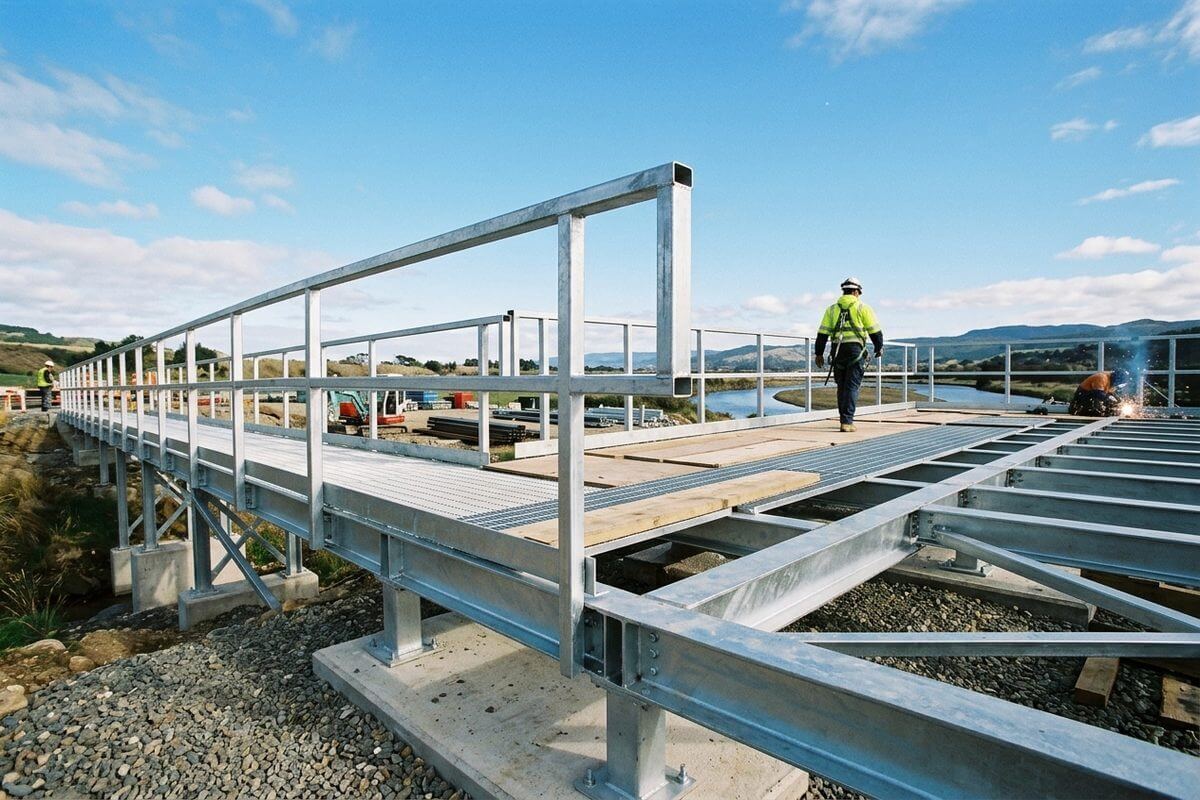
 Parallel Flange Channels, commonly known as PFC channels, are widely used in steel construction throughout Australia. Their shape, strength, and versatility make them an ideal choice for many structural applications, particularly when building steel platforms and outdoor structural frames. Whether used in residential landscaping, light industrial projects, or commercial developments, PFC channels provide reliable support and efficient load distribution.
Steel sections such as 100PFC, 150PFC, 200PFC22.9, and UV 150/14 are frequently selected by engineers and builders for structural frameworks that require durability and stability. These sections are designed to resist bending forces while remaining relatively lightweight compared to heavier structural beams. Because of this balance between strength and efficiency, PFC channels are a practical choice for many outdoor construction projects.
Understanding how these sections are used and where they perform best can help designers and builders select the right structural solution for their projects.
What Makes PFC Channels Suitable for Structural Frames
PFC channels are characterised by their C-shaped profile with parallel flanges. This design provides strong resistance to bending when the channel is installed in the correct orientation. The open shape also allows for simple connections to other structural elements such as columns, plates, or brackets.
Compared with some other steel sections, PFC channels offer several advantages in framing systems:
- They are relatively lightweight while maintaining structural strength
- Their shape allows easy bolting and welding connections
- They are widely available in standard structural sizes
- They can be integrated with other steel members efficiently
Because of these properties, PFC channels are often used as horizontal structural members in frames and platforms.
Common Uses in Steel Platforms
Steel platforms are used in many environments, including residential decks, equipment bases, and industrial work platforms. These structures require reliable structural members capable of supporting both static and dynamic loads.
PFC channels are frequently chosen for platform construction because they provide strong support while allowing flexible structural layouts.
Typical platform components that use PFC channels include:
- Primary support beams
Sections such as 9 can act as main beams that support the entire platform structure. - Secondary framing members
Medium sections like 150PFC are commonly used to support decking materials or grating panels. - Edge beams and perimeter framing
100PFC sections are often used along the edges of platforms where loads are lower but structural alignment is still required. - Bracing elements
PFC channels can also serve as bracing members that stabilise the overall frame and reduce structural movement.
These roles demonstrate the flexibility of PFC channels within steel platform systems.
Outdoor Structural Frames and Their Requirements
Outdoor frames must withstand environmental conditions such as wind, rain, and temperature changes. Because these structures are exposed to the elements, material durability and corrosion protection become important design considerations.
PFC channels are commonly used in outdoor structures such as:
- Pergolas and shade structures
- Carport frames
- Covered walkways
- Equipment supports frames
- Outdoor service platforms
In these applications, PFC channels provide strong horizontal support while allowing easy integration with vertical steel posts or columns.
Sections like UV 150/14 are sometimes incorporated into framing systems where additional structural compatibility with other universal steel members is required. Combining different steel profiles allows engineers to create efficient structural designs tailored to specific loads and spans.
Choosing the Right PFC Size
Selecting the appropriate PFC size depends on several structural factors. Engineers evaluate load requirements, span length, and connection details to determine which section is best suited for the project.
Some general considerations when selecting PFC sizes include:
- Load capacity
Heavier sections, such as 9, are used when the structure must support greater loads. - Span distance
Longer spans require deeper channels to prevent excessive deflection. - Structural layout
Frame geometry and connection points influence which sections can be used efficiently. - Material efficiency
Choosing the correct size helps avoid unnecessary steel weight while still maintaining structural safety.
Careful sizing ensures that the structural frame performs effectively without high cost or overdesign.
Installation Considerations for PFC Frames
Proper installation is essential for the structural performance of any steel frame. PFC channels must be positioned accurately and connected securely to other structural members.
During installation, builders typically focus on several key areas:
- Ensuring channels are installed in the correct orientation
- Aligning beams and supports precisely
- Using appropriate bolts or welds for structural connections
- Confirming that load paths are consistent throughout the frame
Attention to these details ensures the platform or frame functions as intended and distributes loads safely.
Corrosion Protection for Outdoor Steel
Because outdoor structures are exposed to weather, corrosion protection is an important factor when selecting steel materials. Galvanised PFC channels are commonly used in outdoor environments because the zinc coating protects the steel from rust and environmental damage.
In many projects, galvanising significantly increases the lifespan of steel platforms and structural frames. This protective treatment reduces maintenance requirements and ensures that the structure remains safe and functional for many years.
Final Thoughts
PFC channels are a practical and versatile solution for building steel platforms and outdoor structural frames. Their structural efficiency, ease of installation, and compatibility with other steel sections make them a popular choice across many types of construction projects.
By selecting the correct sections — such as 100PFC, 150PFC, 200PFC22.9, and UV 150/14 — engineers and builders can design framing systems that provide the strength and durability required for long-term performance.
When combined with proper structural design, accurate installation, and effective corrosion protection, PFC channels deliver reliable results in a wide range of outdoor and platform applications.