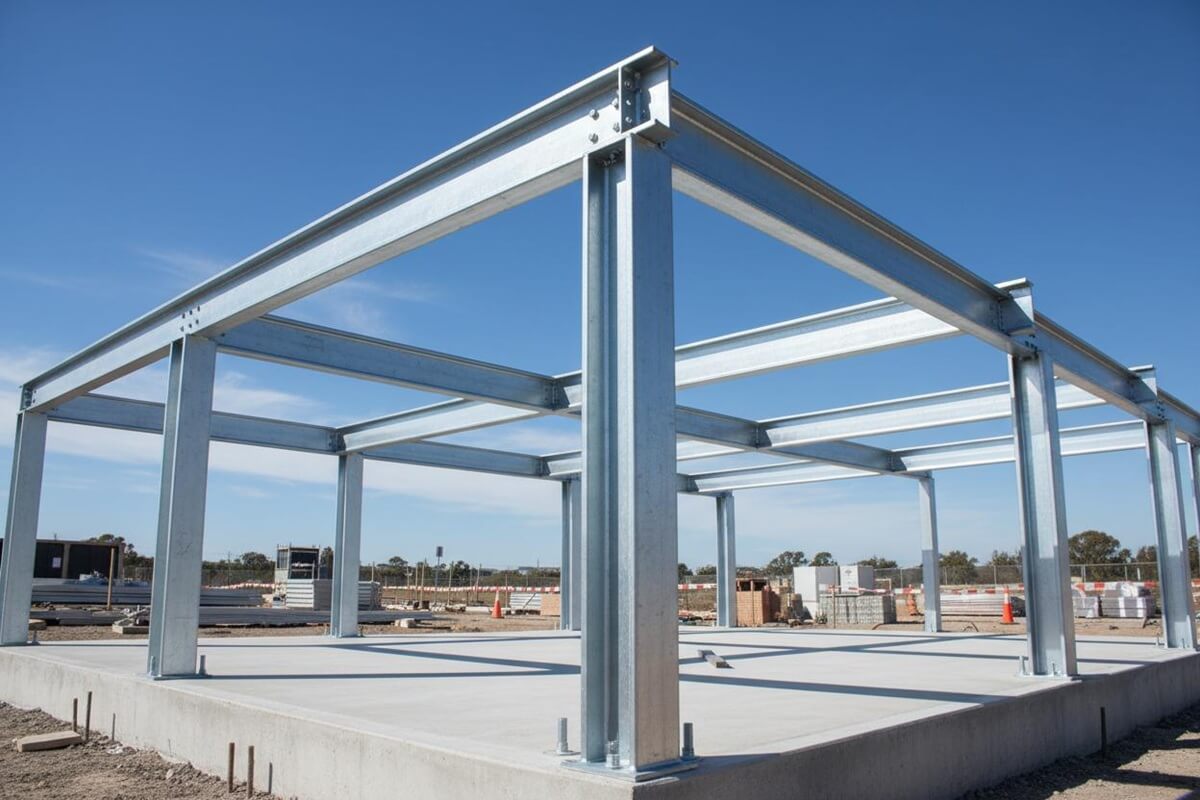
 Parallel Flange Channels (PFCs) are a key component in many steel framing systems, particularly for outdoor and ground-level structures where strength, stability, and versatility are essential. When combined correctly with UC sections, PFC channels provide an efficient structural solution for applications such as pergolas, carports, retaining wall frames, equipment supports, and light commercial structures.
Common sizes such as 100PFC, 150PFC, and 200PFC22.9 are widely used across Australian construction projects. When paired with UC sections like 150UC23.4, they allow designers and builders to create strong, practical frameworks that perform reliably under varying loads and environmental conditions.
What Makes PFC Channels Structurally Efficient
PFC channels are designed with parallel flanges that provide consistent strength along the length of the section. This shape makes them particularly effective at resisting bending forces when used horizontally, while still offering good torsional stability when correctly braced.
In outdoor and ground-level structures, PFCs are often used as:
- Horizontal beams supporting roofing or decking
- Edge beams in framed platforms
- Lateral bracing elements
- Structural members paired with UC columns
Their open profile also makes connections easier, allowing for straightforward bolting or welding to UC sections and base plates.
The Role of UC Sections in PFC Framing Systems
While PFC channels perform well in bending, UC sections excel in vertical load-bearing applications. When a UC section such as 150UC23.4 is used as a column, it provides a stable foundation for PFC beams to span between supports.
This combination allows loads to be transferred efficiently: vertical loads travel down through the UC columns into footings, while horizontal loads are distributed through the PFC channels. This separation of structural roles results in a more efficient and predictable framing system.
Using UC columns with PFC beams is particularly effective in structures where loads are moderate but consistent, such as outdoor shelters and framed retaining wall elements.
Choosing Between 100PFC, 150PFC, and 200PFC22.9
Each PFC size serves a different structural purpose, and selecting the correct channel depends on span length, load requirements, and overall design.
100PFC is commonly used for light-duty applications. It suits short spans, lightweight roofing, and smaller outdoor structures where loads are limited and deflection requirements are minimal.
150PFC offers increased strength and stiffness, making it suitable for medium spans and heavier loads. It is frequently specified for pergolas, carports, and framing systems that support roofing materials or timber decking.
200PFC22.9 is used where higher loads or longer spans are involved. Its increased depth and weight provide improved resistance to bending and deflection, making it ideal for structural frames that must perform consistently over time.
Applications in Outdoor and Ground-Level Construction
The combination of PFC channels and UC beams is widely used in outdoor and ground-level structures due to its flexibility and strength. Typical applications include:
- Pergolas and verandas
- Carports and covered walkways
- Retaining wall framing systems
- Equipment platforms and support frames
- Light commercial and industrial structures
Because these structures are often exposed to weather, material selection and detailing play a crucial role in long-term durability.
Corrosion Protection and Environmental Exposure
Outdoor steel framing systems must be designed with corrosion protection in mind. PFC channels and UC sections used at ground level or in exposed environments are commonly galvanised or treated with protective coatings to resist moisture and environmental wear.
Galvanising provides a durable zinc coating that protects steel from rust, even if the surface is scratched during installation. This is especially important for ground-level structures where steel components may be exposed to moisture, soil contact, or coastal air.
Specifying galvanised sections helps extend the service life of the structure and reduces long-term maintenance requirements.
Installation and Connection Considerations
Correct installation is essential for PFC and UC systems to perform as designed. Connections between PFC channels and UC columns must be accurately aligned and securely fixed to prevent unwanted movement or stress concentrations.
Typical connection methods include bolted cleats, welded plates, or proprietary connection systems specified by an engineer. Base plates and anchor bolts must also be sized correctly to transfer loads safely into concrete footings.
Careful attention to installation tolerances ensures the framing system remains stable and performs predictably over time.
Engineering and Compliance Requirements
Although many outdoor structures appear simple, they often require engineering design to comply with Australian Standards and local council regulations. Engineers assess load paths, member sizes, connection details, and footing design to ensure the structure meets safety and performance requirements.
Using standard sections such as 100PFC, 150PFC, 200PFC22.9, and 150UC23.4 simplifies the engineering process, as their structural properties are well documented and widely accepted.
Final Thoughts
Integrating PFC channels with UC beams is a smart and proven approach for outdoor and ground-level steel framing systems. By pairing the bending strength of PFC channels with the vertical load capacity of UC columns, builders can create efficient, durable structures suited to a wide range of applications.
Selecting the correct section sizes, ensuring proper corrosion protection, and following best-practice installation methods all contribute to long-term performance. When designed and installed correctly, PFC and UC framing systems deliver reliability, structural confidence, and flexibility across residential and commercial projects alike.