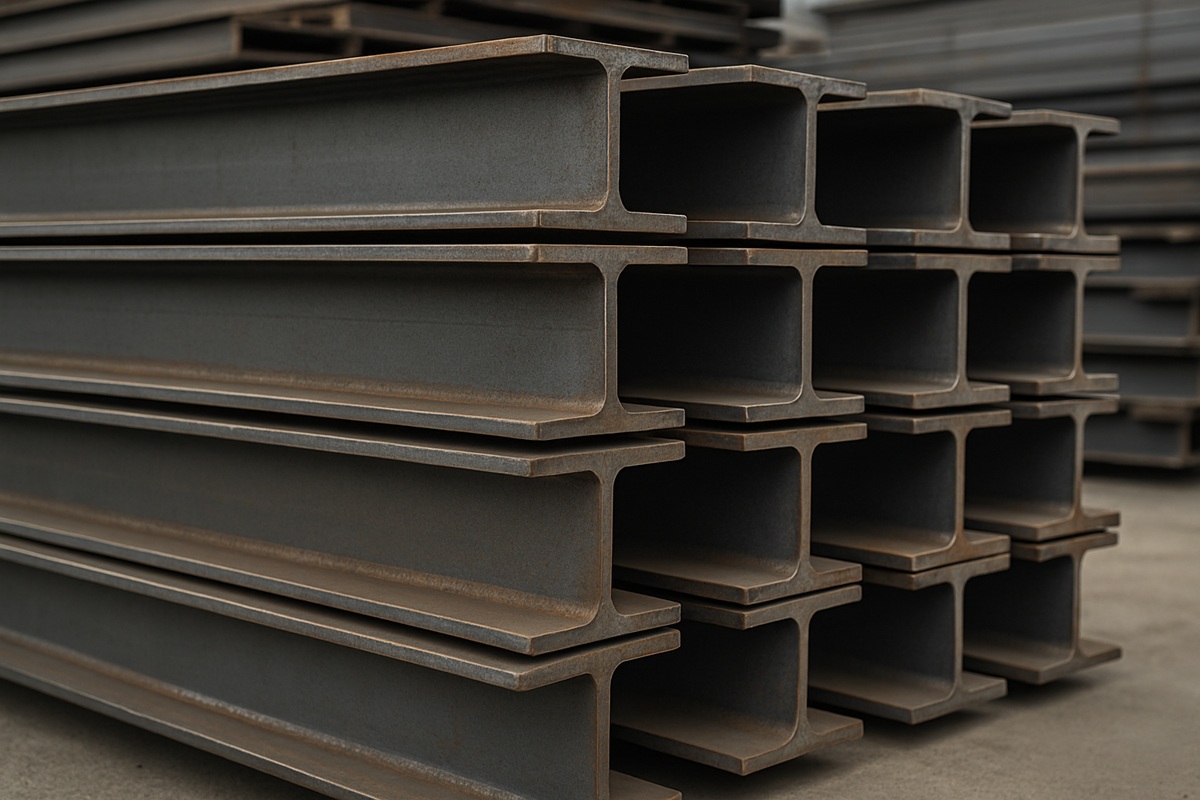
 When it comes to building a durable and safe retaining wall, choosing the right type of steel beam is one of the most important steps. Among the most used options in Australia are Universal Columns (UC), which are hot-rolled structural steel members with excellent load-bearing capacity. But with so many UC sizes available, how do you know which one is right for your project?
In this article, we’ll break down the differences between some of the most used UC beam sizes — including 100UC14.8, 150UC30, and 200UC52 — to help you make an informed decision for your retaining wall or structural build.
What Is a Universal Column (UC)?
Universal Columns are vertical steel beams with a wide, almost square profile. They are designed to carry vertical loads and are most used in columns, wall supports, or retaining walls. Unlike Universal Beams (UB), which are wider than they are tall, UC sections are nearly equal in height and width, making them extremely stable.
These steel sections are typically hot-dip galvanised to ensure long-term resistance to corrosion, especially in outdoor or damp environments like many parts of Victoria and wider Australia.
Breaking Down the Sizes
Here’s a quick look at three common UC sizes used in retaining wall construction:
- 100UC14.8 – This is a lightweight UC profile often used for small garden walls or fences where loads are minimal. Its name indicates a 100 mm wide column that weighs 14.8 kg per metre. It’s ideal for structures under 1 metre high.
- 150UC30 – This mid-range beam offers significantly greater strength and is often used in retaining walls between 1.2 to 1.8 metres tall. At 30 kg per metre, it balances cost with capability, making it a reliable choice for residential and commercial landscaping.
- 200UC52 – A heavy-duty steel column suited for higher retaining walls or those needing to bear large lateral loads. At 52 kg per metre, it’s typically used for walls over 2 metres or projects in high-risk soil conditions, like clay or sloped sites.
Choosing the Right UC Beam for Your Wall
Your selection depends on several key factors:
- Wall Height – Taller walls naturally require stronger beams. Anything above 1 metre should be reviewed by an engineer or builder.
- Soil Conditions – If you’re building in an area with clay-heavy or shifting soils, stronger UC sections like 150UC30 or 200UC52 are recommended.
- Backfill Pressure – The weight and slope of the soil behind the wall increase pressure, requiring more structural support.
- Drainage – Poor drainage increases the load. In such cases, heavier beams and additional reinforcements should be considered.
Installation Tips
- Always embed UC posts into concrete footings of the appropriate depth — usually at least one-third of the post height.
- Ensure posts are galvanised or zinc-coated for long-term durability.
- Use string lines and spirit levels during installation to guarantee alignment and even wall load distribution.
Cost vs Performance
It’s tempting to save money by opting for smaller UC sections like 100UC14.8, but the real value lies in choosing a beam that matches the job requirements. Under-spacing can lead to wall failure, while over-spacing may add unnecessary cost.
By choosing the right size from the start — whether it’s 100UC14.8 for a low-height wall or 200UC52 for a structural application — you’re protecting both your investment and your peace of mind.
Universal Columns are a reliable and widely used solution for building retaining walls across Australia. Whether you need a light-duty post for a garden edge or a heavy-duty column for a commercial project, there’s a UC size to suit. Always consider your wall height, soil pressure, and site exposure when choosing between 100UC14.8, 150UC30, or 200UC52.
For best results, consult a qualified supplier or engineer before purchasing materials. The right decision at the planning stage can make all the difference in performance, longevity, and cost-effectiveness.
It’s also important to ensure your retaining wall design complies with local council regulations, especially if the wall exceeds one metre in height. In many cases, an engineer’s input is not just recommended — it’s legally required. Choosing the correct UC beam isn’t just about strength; it’s about building a structure that’s safe, legal, and future-proof. Professional guidance helps avoid costly mistakes, ensuring your project is up to code and capable of lasting for decades.