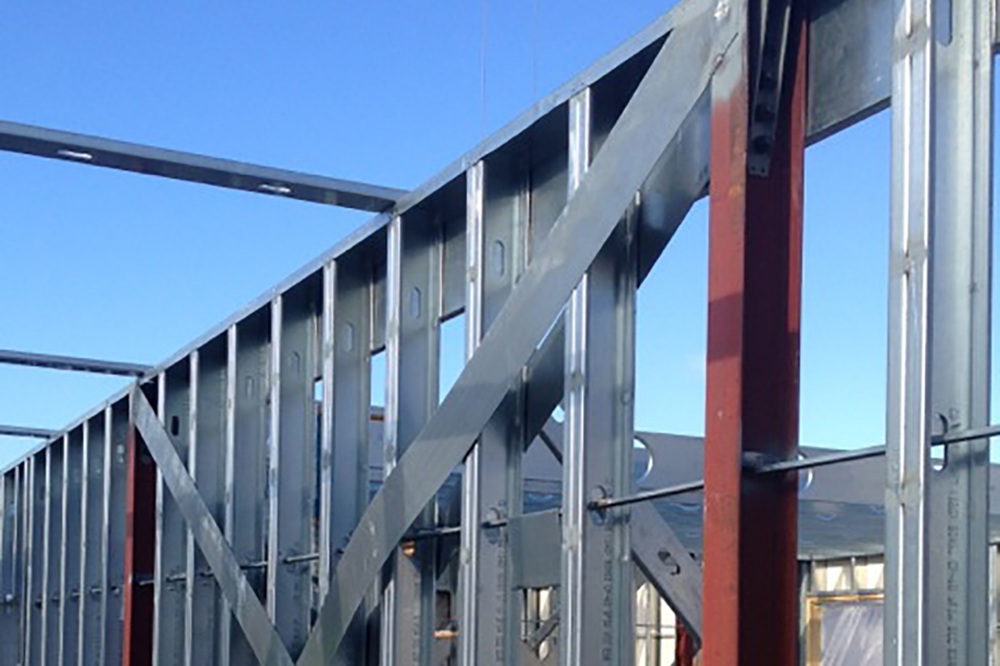
 When designing ground-level structures such as pergolas, carports, sheds, and covered outdoor areas, structural integrity starts with the right steel columns. While lighter steel sections may suit decorative features, load-bearing applications demand heavy-duty Universal Columns (UCs) that can safely support vertical loads over long periods.
In Australian residential and light commercial construction, UC sections such as 150UC37.2, 200UC52, 200UC59.9, and 250UC72.9 are commonly specified for columns that carry roof loads, framing weight, and wind forces. Selecting the correct section is critical not only for compliance, but also for long-term performance in Australia’s variable climate conditions.
This article focuses specifically on how to choose heavy-duty UC sections for vertical support columns and ground-level structures, and why heavier UC profiles are often the smartest investment.
Why Universal Columns Are Used for Load-Bearing Posts
Universal Columns are designed with a near-square profile and thick web, making them ideal for vertical load transfer. Unlike beams, which are optimised for bending, UCs excel at carrying compressive loads directly down into footings and slabs.
For structures such as carports or pergolas, UC columns are commonly:
- Fixed to concrete slabs or piers
- Embedded into concrete footings
- Connected to roof beams or PFC channels
Their geometry allows loads to be distributed evenly through the column and into the foundation, reducing the risk of deflection or structural fatigue over time.
In outdoor structures exposed to wind uplift and lateral movement, the mass and stiffness of heavier UC sections provide added stability compared to lighter alternatives.
Understanding Heavy-Duty UC Sections
Not all UC beams are suitable for structural columns. Heavier sections are typically specified where loads increase or spans become larger.
150UC37.2
This section is often used for mid-sized residential structures such as pergolas, verandas, or small carports. Its added weight compared to lighter 150UC variants provides improved resistance to buckling while remaining manageable for on-site installation.
200UC52
A widely used option for structural columns, 200UC52 offers an excellent balance between strength and practicality. It is commonly specified for carports, patios, and framed outdoor structures where roof loads and wind forces are moderate to high.
200UC59.9
Stepping up in weight, this section provides increased stiffness and load capacity. It is often used where column spacing is wider, roof structures are heavier, or engineering requirements demand additional safety margins.
250UC72.9
This is a heavy-duty UC section suited to demanding applications. It is typically specified for large spans, commercial-style structures, or situations where substantial vertical loads must be carried without compromise.
Each increase in section size improves load capacity, but also affects handling, footing size, and cost — making correct selection essential.
Choosing the Right UC for Ground-Level Structures
Selecting the correct UC section depends on more than just size. Several factors influence the final specification:
- Roof load – Steel roofing, timber framing, or polycarbonate sheets all impose different loads.
- Span and column spacing – Wider spacing increases the load each column must carry.
- Wind exposure – Open areas or coastal locations often require heavier sections.
- Fixing method – Base plates, chemical anchors, or embedded posts all affect performance.
- Engineering requirements – Structural engineers may specify heavier UCs to meet Australian Standards.
In many cases, using a slightly heavier UC than the minimum required can reduce long-term movement and improve overall structural confidence.
Durability and Galvanisation for Outdoor Use
Because these columns are typically exposed to weather, galvanisation plays a critical role in longevity. Hot-dip galvanised UC sections are protected by a zinc coating that resists corrosion, even in damp or coastal environments.
For ground-level structures where posts may be near soil or concrete moisture, galvanisation:
- Extends service life significantly
- Reduces maintenance requirements
- Prevents hidden corrosion at base connections
This is especially important for heavier UC sections, where replacement would be costly and disruptive.
Installation and Foundation Considerations
Heavy-duty UC columns require appropriate foundations to perform as intended. Footing size and depth must match the column load and soil conditions.
Best-practice installation typically includes:
- Concrete footings sized to engineering specifications
- Accurate alignment and plumbing of columns
- Secure connections to roof beams or PFC channels
- Allowance for drainage around base plates or embedded posts
Poor installation can undermine even the strongest UC section, making professional workmanship just as important as material selection.
Image Source: Paco Steel