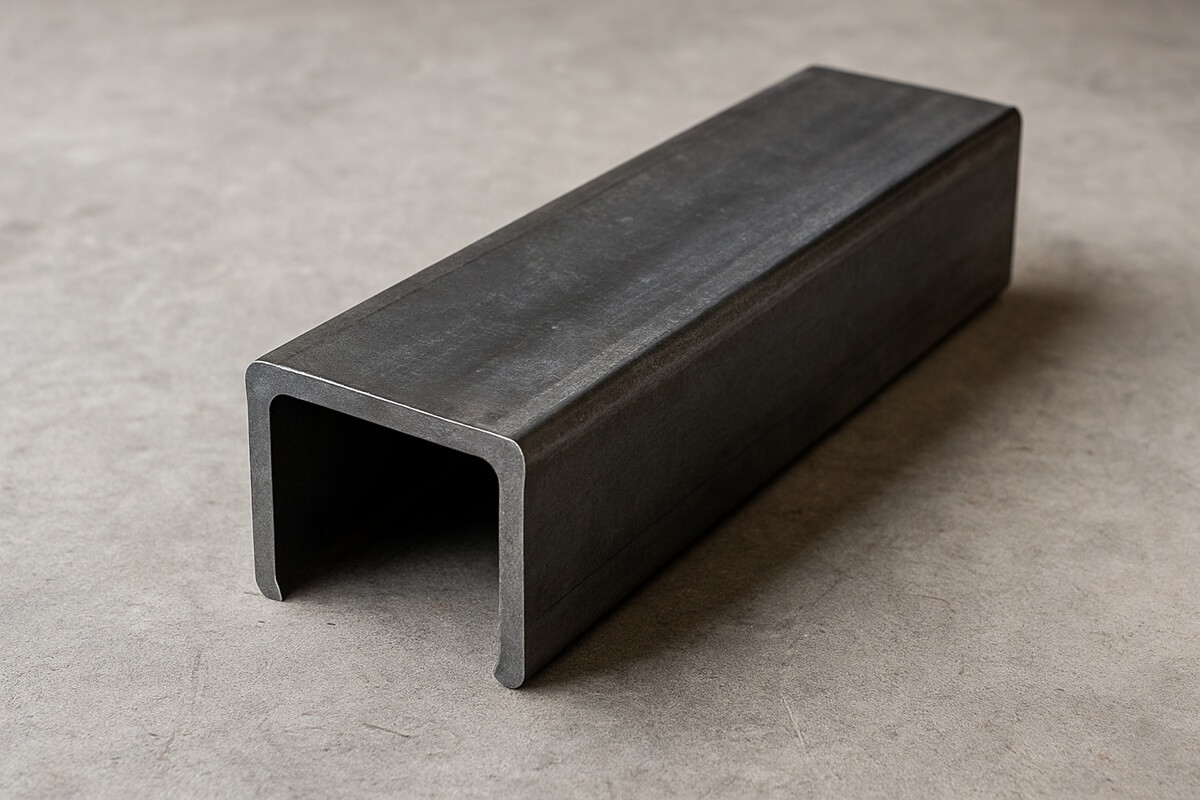
 Parallel Flange Channels (PFCs) are a staple in Australian construction, especially when it comes to structural framing and retaining wall support. Often used alongside concrete sleepers and steel posts, PFC beams are known for their strength, versatility, and ease of installation.
But with options like 100PFC, 150PFC, and 200PFC22.9 available, how do you decide which is right for your project? This article covers the essentials of PFCs and offers practical advice on where and when to use them.
What Are PFC Beams?
PFC stands for Parallel Flange Channel — a steel section with a “C” shape profile. These channels are designed to bear heavy loads while offering flexibility in application. They are often used in:
- Retaining walls (as top or bottom supports)
- Steel frames for sheds, garages, and carports
- Floor and roof structures
- Pergola footings and decks
The consistent flange width and thickness across PFC sections provide uniform strength, making them a favourite among builders and engineers.
Comparing Common Sizes
Let’s break down three standard PFC profiles used in outdoor and framing projects:
- 100PFC – Ideal for light-duty support, including smaller retaining walls and structural brackets. It weighs approximately 8.3 kg per metre.
- 150PFC – Offers a balance between strength and weight, commonly used in residential steel framing and mid-height retaining walls.
- 200PFC22.9 – A heavy-duty option designed for commercial builds or high-stress applications. It weighs 22.9 kg per metre and is perfect for long spans or areas with substantial loading.
Why PFCs Are a Great Fit for Australian Conditions
Australia’s diverse climate requires materials that can handle moisture, temperature changes, and heavy use. PFCs, particularly when hot-dip galvanised, are extremely well-suited to these challenges.
Benefits include:
- Weather resistance – Galvanised PFCs resist corrosion, even in coastal or high-moisture zones.
- Structural integrity – Perfect for both vertical and horizontal loads.
- Ease of use – PFCs are straightforward to weld, bolt, and connect to other steel components.
Applications in Retaining Walls
PFC beams are commonly used at the top and base of retaining walls to keep posts aligned and provide lateral stability. In sloped landscapes, they act as braces to manage uneven load distribution.
When to Use Each Size
- Choose 100PFC for garden edges, pergolas, or light sleeper walls.
- opt for 150PFC in residential retaining walls with moderate soil loads.
- Use 200PFC22.9 in engineered structures, large commercial retaining walls, or areas with poor soil drainage.
Installation Notes
- Always set beams on stable footings or connect them to galvanised H-posts for maximum performance.
- Match your beam size with post specifications to ensure compatibility.
- Pre-plan drainage behind retaining walls to reduce unnecessary pressure on the steel frame.
More Ways to Use PFC in Residential and Commercial Projects
Beyond retaining walls and structural framing, PFC beams offer flexibility across a wide range of building scenarios. In residential construction, they’re often used to support floor joists, roof rafters, or act as lintels above windows and doors. Their channel shape allows for easy bolting and welding, making them ideal for complex framing layouts or joining with other steel sections like RHS or SHS.
For DIY landscaping, 100PFC and 150PFC sections can be adapted for raised garden beds, outdoor seating structures, or as cross-supports in steel-framed decking systems. They’re also excellent for bracing pergolas and patios, especially when paired with galvanised steel posts.
In commercial builds, larger sections such as 200PFC22.9 are often specified for industrial sheds, multi-span walkways, or loading platforms, where strength, span capacity, and resistance to deformation are critical. Their predictable performance under Australian Standard AS/NZS 3679.1 makes them a reliable choice for engineers and builders working under regulatory constraints.
No matter the scale of the project, PFC beams deliver exceptional value by combining ease of use, durability, and compatibility with common Australian steel components.
PFC steel beams are an essential part of structural framing and retaining wall systems in Australia. By understanding the differences between 100PFC, 150PFC, and 200PFC22.9, you can choose the right size for your application, ensuring long-term strength and stability.
Whether you’re building a backyard deck or reinforcing a large commercial wall, the right PFC section will provide the durability and performance your project needs — all while standing up to Australian conditions.